
Check out our news archive below to learn more about what’s happening in Duke Psychiatry & Behavioral Sciences!

Concussions Cause Greater Cognitive Declines in Later Life
A study in twins found that even a single traumatic brain injury at any age was associated with worse cognitive function in later life, independent of genes and environmental factors. Duke Psychiatry's Marianne Chanti-Ketterl, PhD, was the lead author of the study.

Impact of the Youth Behavioral Health Crisis in North Carolina
In this North Carolina Medical Journal invited commentary, behavioral health leaders including Duke Psychiatry chair Moira Rynn, MD, discuss the impact of the youth behavioral health crisis in North Carolina.

NCCU Students Present on Clinical Research Internship Experiences
Nine North Carolina Central University (NCCU) students presented on their internship experiences at the 2023 Duke-NCCU Bridge Office Internship Program Closing Ceremony. These scholars represented the second cohort of the program. Several of the students participated in internships in Duke Psychiatry.

Eric Elbogen Debunks a Mass Shooting Myth in New Co-Authored Book
In their new book, "Violence and Mental Illness: Rethinking Risk Factors and Enhancing Public Safety," co-authors Eric Elbogen, PhD, professor of psychiatry and behavioral sciences, and Nico Verykoukis, a retired clinical social worker, debunk the common myth that most perpetrators of violent crime are mentally ill. Elbogen has been researching this topic for more than 20 years.

What You Need to Know about the New Alzheimer’s Medication Lecanemab
A new drug has been approved by the FDA to slow the progression of Alzheimer’s disease in some people in the early stages of the disease. Here, Duke Health geriatric psychiatrist Kim Johnson, MD, answers questions about who could benefit from lecanemab, its side effects, and how to be considered for treatment at Duke Health.

This One Simple Brain Hack Might Boost Learning and Improve Mental Health
Shifting from a stressed mindset to a curious one improves memory, according to new Duke research. Study participants who spent time planning a robbery in a virtual art museum remembered more paintings than those executing the heist in-the-moment. The findings may address real-world problems such as promoting vaccine uptake and climate change action, as well as inspiring new treatments for psychiatric disorders. The research was led by Alyssa Sinclair, PhD, a postdoctoral researcher working in the lab of Duke Psychiatry's Alison Adcock, MD, PhD.
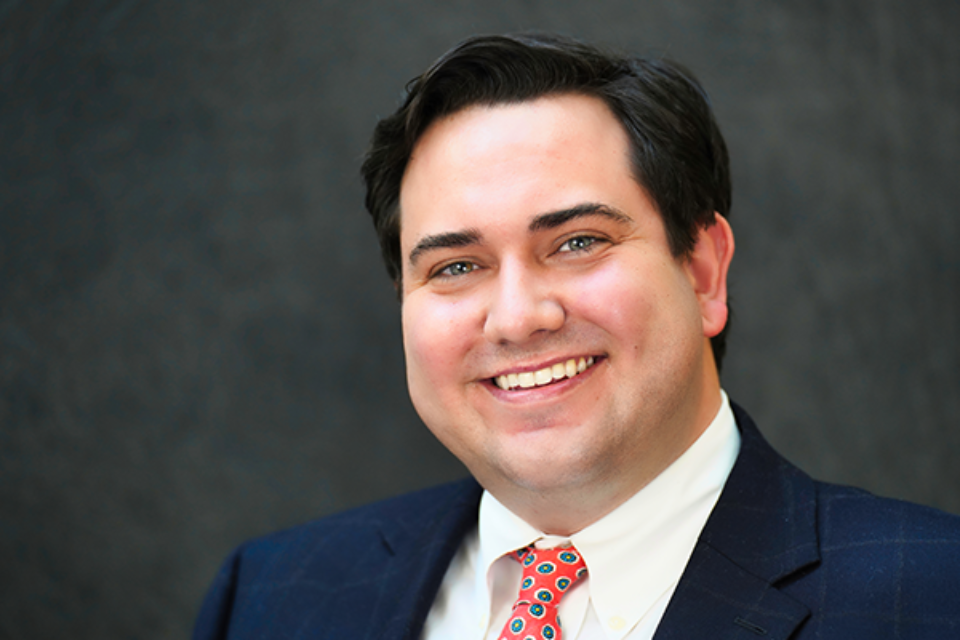
What You Can Do to Help Your LGBTQI+ Colleagues and Loved Ones
In the spirit of celebrating Pride 365, Duke Psychiatry's Dane Whicker, PhD, offers tips for how you can make a difference for LGBTQI+ people at Duke on your own, within your unit or workplace, tips for inclusive one-on-one interactions, and navigating other situations. He also offers resources for people interested in further learning.

Residency-Funded Grant Helps Trainees Support Non-English-Speaking Patients
Each year, the Duke Psychiatry residency program offers pilot grants to selected residents. With this funding, residents Jonathan Nahmias, MD, and Xiomara Nieves-Alvarado, MD, are working to better support patients who have low literacy and patients who do not speak English as a primary language.
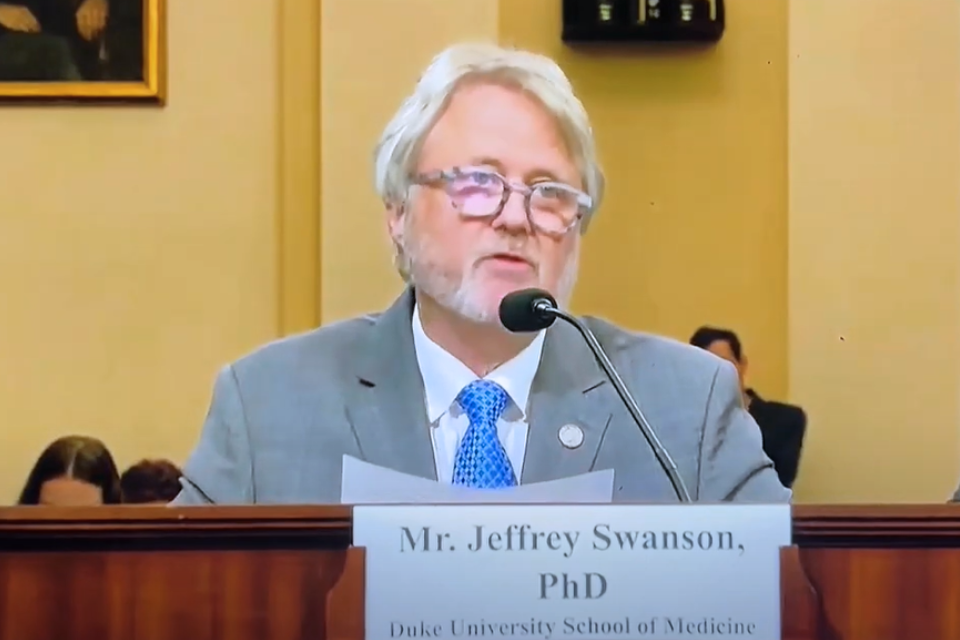
Jeffrey Swanson Testifies at U.S. House Committee on Veterans Affairs Hearing
On July 18, Jeffrey Swanson, PhD, provided testimony to the Full Committee Legislative Hearing on H.R. 705 (Veterans Second Amendment Protection Act), U.S. House of Representatives Committee on Veterans Affairs. This article includes his testimony and a video of his testimony and questioning.
Duke Psychiatry Trainees Receive Numerous Awards & Honors in 2022-2023
Congratulations to our trainees on the many awards and honors they earned during the 2022-2023 academic year.