
Check out our news archive below to learn more about what’s happening in Duke Psychiatry & Behavioral Sciences!
Collaborative Care Model Helps Duke Primary Care Meet Standards of Care
Use of the Collaborative Care Model at Duke University began on a pilot basis five years ago, when the University Health System awarded the Department of Psychiatry an innovation grant to establish the model at a handful of primary care sites. Duke Psychiatry's Marvin Swartz, MD, is the director of the Duke Area Health Education Center (AHEC), which is providing training and technical support to practices implementing collaborative care.
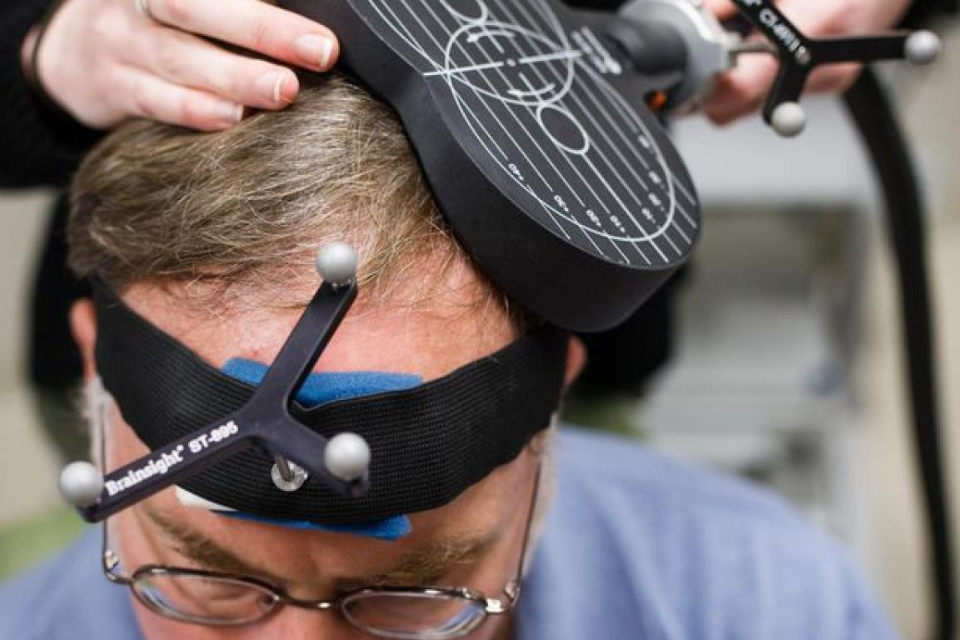
Davis Awarded $3.6 Million Grant to Boost Memory in Older Adults
Simon Davis, Ph.D., an assistant professor in the departments of neurology and psychiatry, was recently awarded a grant from the U.S. National Institute for Aging to study brain activity patterns that support memory function in aging adults. The $3.6 million grant will allow Davis and his colleagues to test whether a magnetic brain stimulation can improve memory in older adults aging healthy and those with an increased risk for Alzheimer’s disease.
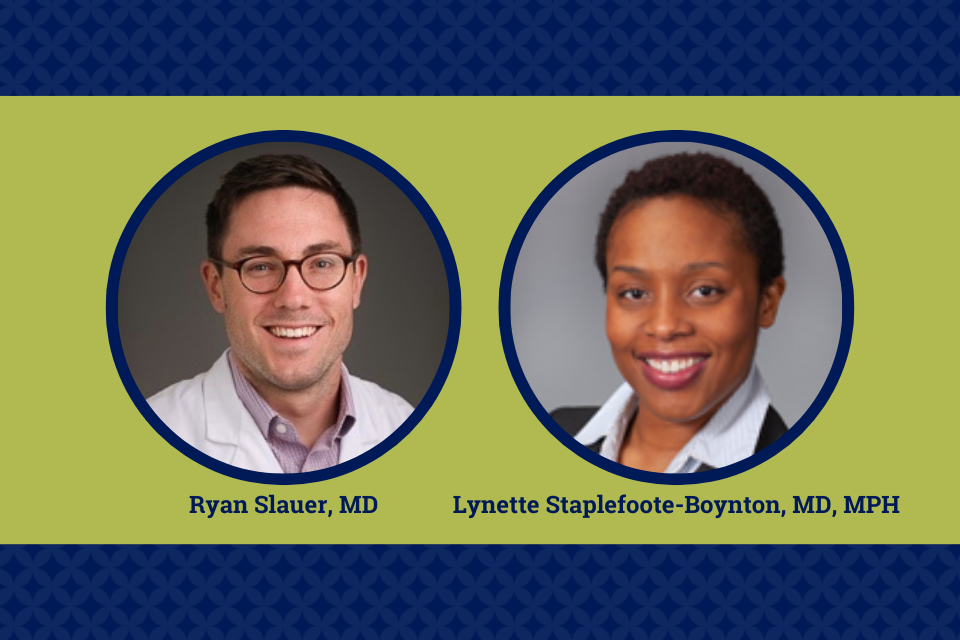
Two Residents Receive 2023 James H. Carter, Sr. Community Service Award
Ryan Slauer, MD, a fourth-year internal medicine-psychiatry resident, and Lynette Staplefoote-Boynton, MD, MPH, a third-year internal medicine-psychiatry resident, have received this year’s James H. Carter, Sr. Community Service Award, established in honor of Carter’s dedication to serving the underserved.
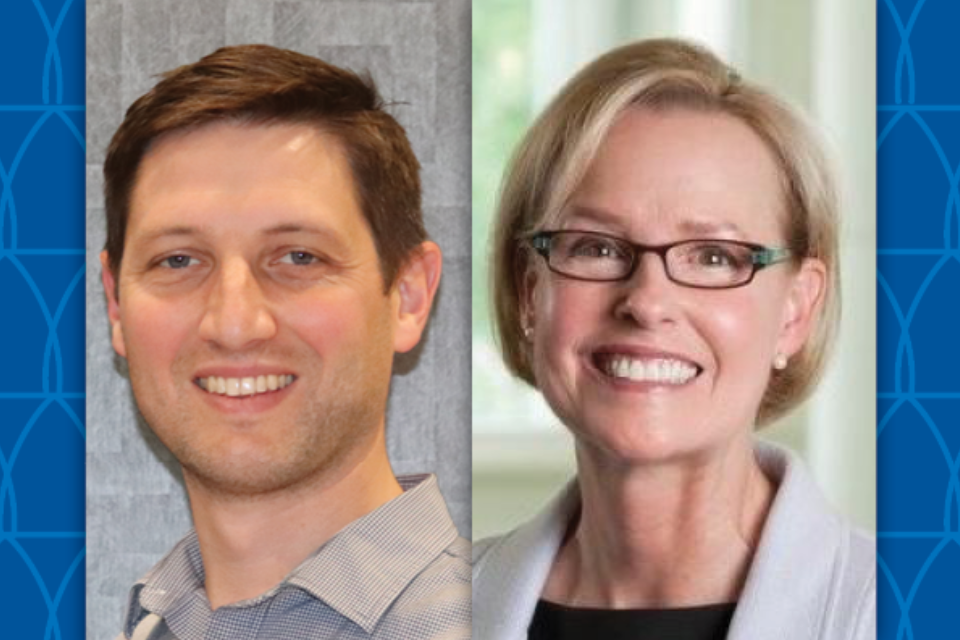
Harnessing Electronic Health Record Data for Earlier Autism Detection
Signs of autism can hide in plain sight, but a Duke University School of Medicine study shows machine learning may help spot them. Duke Psychiatry's Geraldine Dawson, PhD, was the senior author in the study.

Duke University School of Medicine Ranks 9th Nationally in NIH Funding; Psychiatry Ranks 8th
Duke University School of Medicine was awarded more than $527 million in federal funding from the National Institutes of Health (NIH) in 2022, ranking ninth nationally among academic medical centers, according to the Blue Ridge Institute for Medical Research. The Department of Psychiatry & Behavioral Sciences ranked eighth.
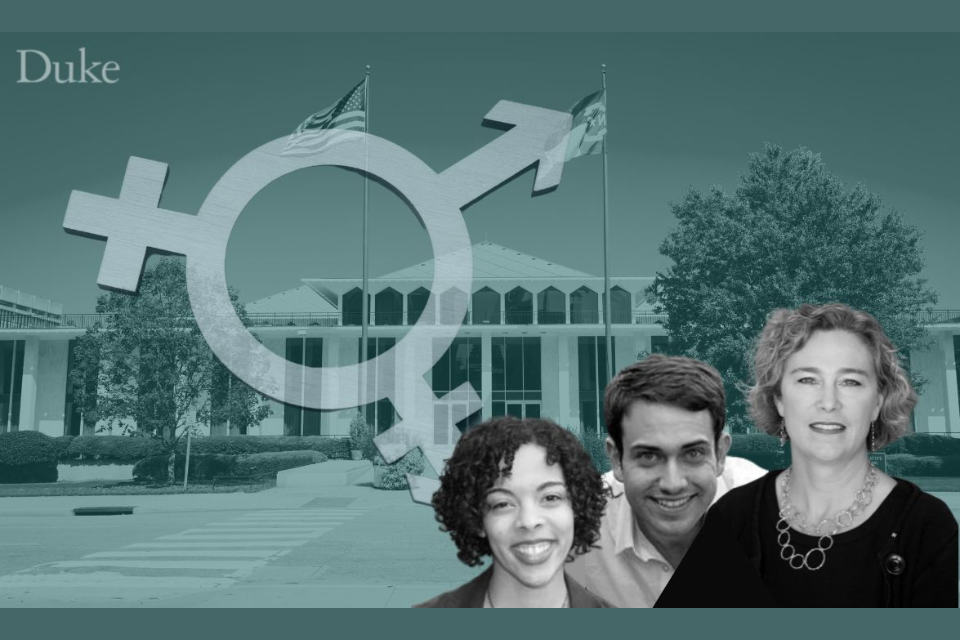
Medical Experts Examine Impact of NC Bills on LGBTQ+ Youth
Two new proposed state laws targeting LGBTQ+ youth in North Carolina would drive up suicide rates, restrict health care providers and limit schools’ ability to provide safe havens for students, three Duke experts—including Duke Psychiatry's Dane Whicker, PhD, and Sarah Wilson, PhD—said Wednesday.

Supporting Mental Health in Patients with High-Risk Pregnancies
When Bernadette Vereen, MSW, LCSW-A, was hired as a member of Duke Psychiatry & Behavioral Sciences’ growing perinatal mental health team in fall 2021, she quickly connected with Julia Tarr, MSW, LCSW, who had recently begun her role serving three Duke Perinatal high-risk obstetrics clinics. Within a few months, the two social workers were talking daily, collaborating to figure out how to best provide behavioral health support to patients with high-risk pregnancies.
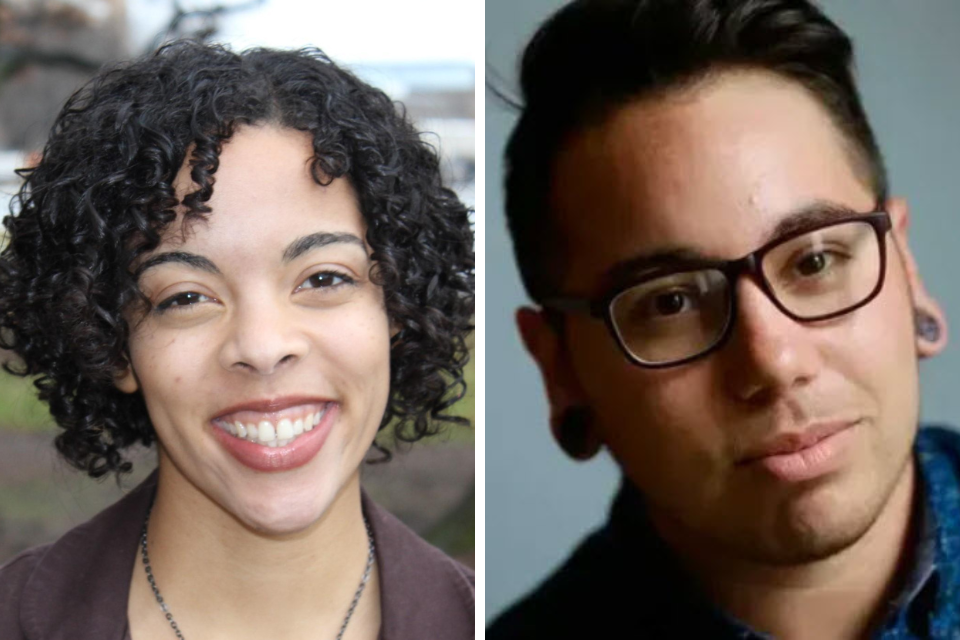
Partnering with the Community to Reverse the HIV Trend in Latinx Individuals
Through a new National Institutes of Health grant, Sarah “Sadie” Wilson, PhD, hopes to reduce inequities that place Latinx individuals at higher risk of HIV. She’s partnering with her friend and colleague, Joaquin Carcaño, director of southern health policy at Latinos in the South, to launch a community-based, equity-focused initiative in the Charlotte, North Carolina area.
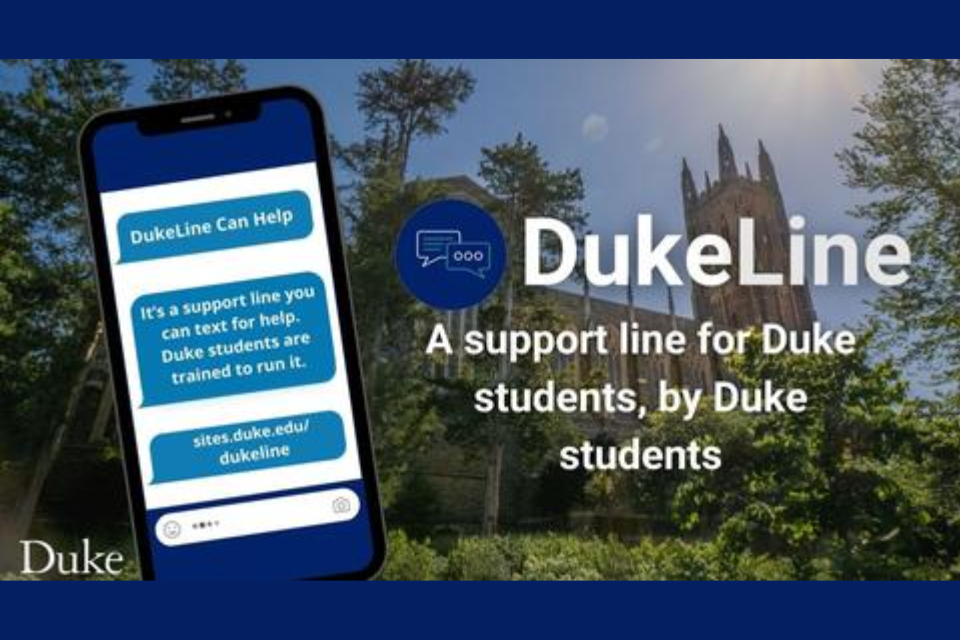
Students Support Each Other’s Mental Health, One Text at a Time
Undergraduate students who are feeling stressed can get immediate support every night via DukeLine, an anonymous texting platform that connects them with trained peers. Duke Psychiatry's Nancy Zucker, PhD, founded and leads the support service.
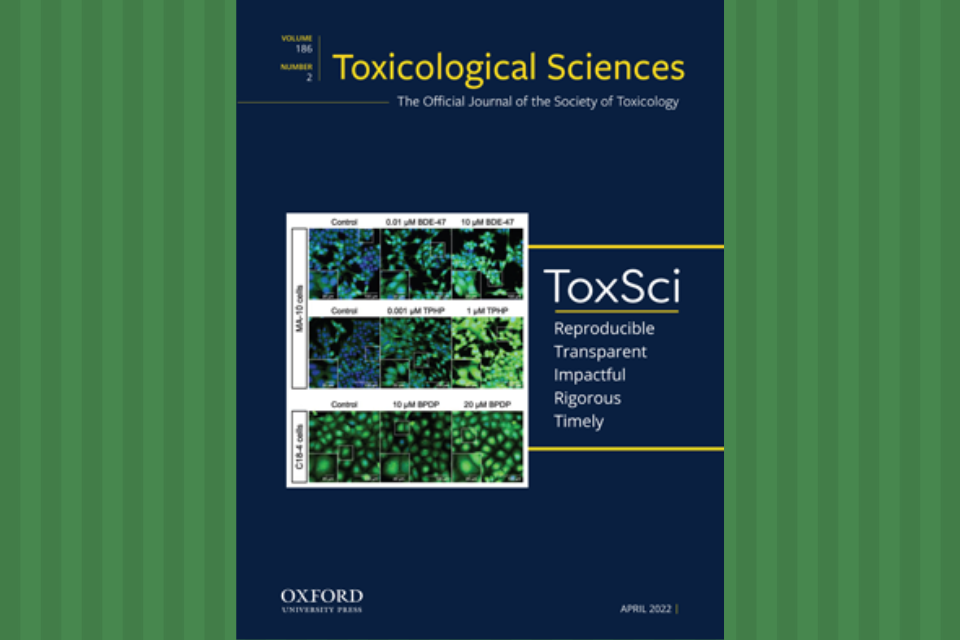
Duke-Led Study Named 2023 Toxicological Sciences Paper of the Year
An article co-authored by Theodore Slotkin, PhD, professor of pharmacology and cancer biology; Edward Levin, PhD, professor of psychiatry and behavioral sciences; and Frederic Seidler, PhD, assistant research professor emeritus of pharmacology and cancer biology, has been selected by the Society of Toxicology (SOT) Board of Publications to receive the 2023 Toxicological Sciences Paper of the Year Award.