
Check out our news archive below to learn more about what’s happening in Duke Psychiatry & Behavioral Sciences!
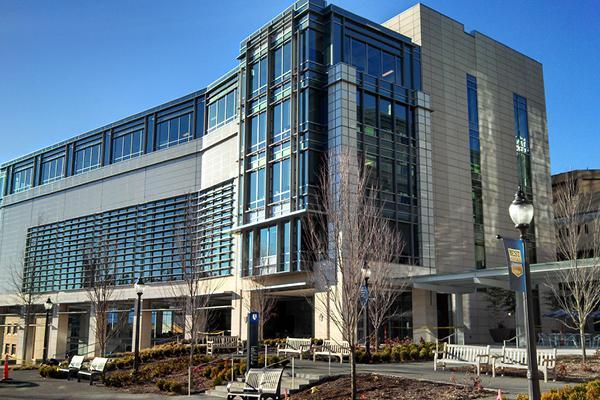
New Ranking Highlights NIH’s Impact on Breakthrough Science at Duke
Duke University School of Medicine received more than $514 million in research funding from the National Institutes of Health in 2025, ranking 9th nationally among medical schools, according to new data from the Blue Ridge Institute for Medical Research. Duke Psychiatry & Behavioral Sciences ranked 9th, funded at $40.7 million.

Higher Firearm Age Limits for Young Adults with Juvenile Records Linked to Lower Gun Violence Risk
A new collaborative multi-state study led by Duke Psychiatry's Jeffrey Swanson, PhD, offers the first comparative, state level evidence that raising the minimum age of firearm access for young adults with juvenile justice histories may reduce gun involved violent crime.
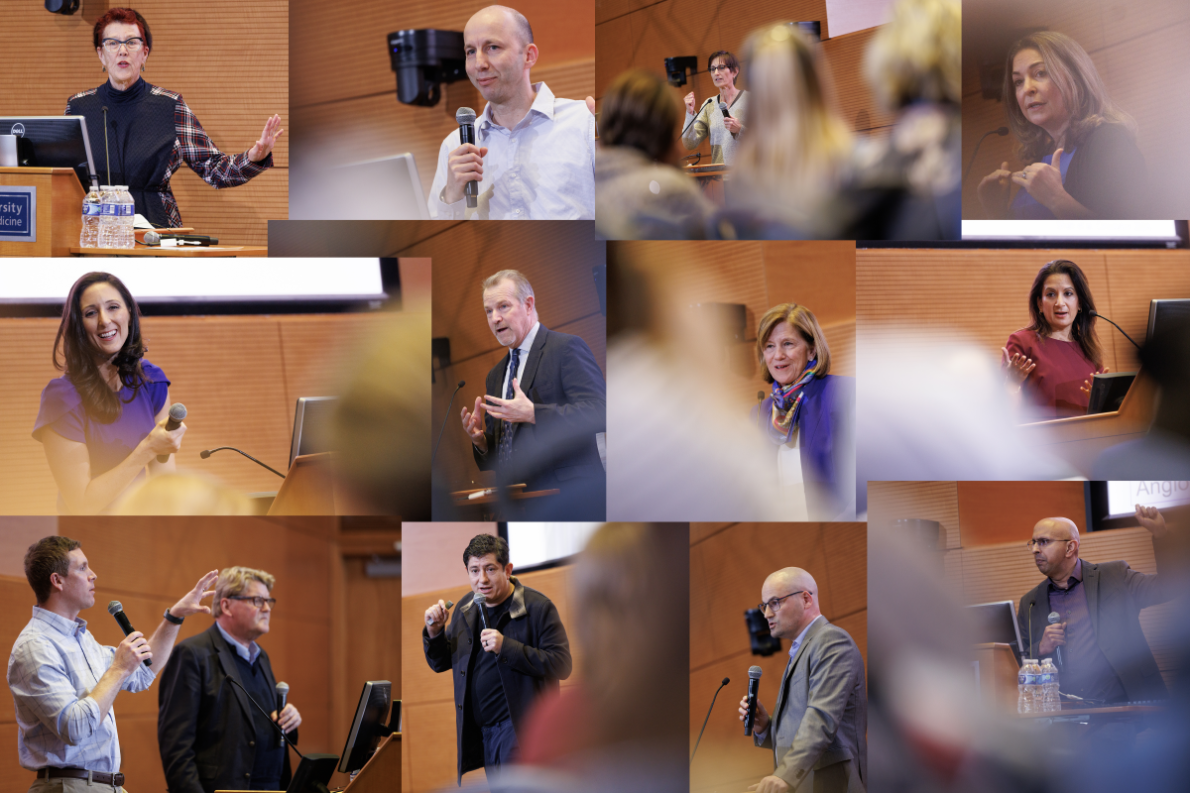
Symposium Highlights Research on Metabolism and Health
This year’s symposium, “Metabolism and Health Across the Lifespan,” highlighted Duke research that informs efforts to extend and enhance both longevity and late-life health. Duke Psychiatry's Terrie Moffitt, PhD, was one of the featured speakers. Her research has shed important light on the difference between chronological aging — the steady rate at which we grow older according to the calendar — and biological aging — the more variable rate at which our cells, organs, tissues and systems age.

Linda Kerandi Receives 2026 James H. Carter, Sr. Community Service Award
Linda Kerandi, MD, a fourth-year psychiatry resident, received this year’s James H. Carter, Sr. Community Service Award. Carter was the first Black full professor of psychiatry at Duke, and the award was established in honor of his dedication to serving people with limited access to healthcare.
Nathan Copeland Discusses Adolescent Mental Health Care on Duke Radio Show
On February 8, Duke Psychiatry's Nathan Copeland, MD, MPH, was a guest on the Duke Global Health Institute radio show, "Conversations on Health Care," on WXDU (88.7 FM), where he discussed adolescent mental health care with DGHI's Gavin Yamey, MD. (See Episode 11)

From Goals to Habits: 6 Expert Tips to Make New Year's Resolutions Stick
The New Year is a time to reset, refresh and revive goals that may have fallen to the wayside in the previous year. Yet, most New Year’s resolutions fail. Duke Psychiatry's John Mitchell, PhD, shares six tips to help keep your New Year’s resolutions on track.

Duke University Joins Landmark NIH Study on Low Back Pain Treatment
A landmark NIH-funded randomized clinical trial published in JAMA provides new insights into managing acute and subacute low back pain—one of the leading causes of disability worldwide. Duke Psychiatry's Francis Keefe, PhD, was a contributing author.

Teaching Death, Teaching Life
Professor emerita Deborah Gold, PhD, taught a Death & Dying course at Duke for more than two decades, aiming to normalize death and help students to learn how to sit with discomfort and grief. In Fall 2025, she taught the course for the last time.

Supporting Kids with Special Healthcare Needs after Hurricane Helene
A Duke Psychiatry & Behavioral Sciences team is partnering with organizations in western North Carolina to help support young people with intellectual and developmental disabilities and their families in the wake of Hurricane Helene. The initiative is funded by the North Carolina Department of Health & Human Services.

How 11 Duke Employees Plan to Get 1% Better in 2026
Inspired by the kaizen mindset of making small, consistent improvements, discover how staff and faculty—including Duke Psychiatry’s Jonathan Posner, MD—are approaching the new year.