
Check out our news archive below to learn more about what’s happening in Duke Psychiatry & Behavioral Sciences!

Duke Psychiatry among Top 10 in NIH Funding in 2020
Duke University continues its leadership in biomedical research, ranking 10th among the nation’s top medical schools and research institutions for funding from the National Institutes of Health (NIH).
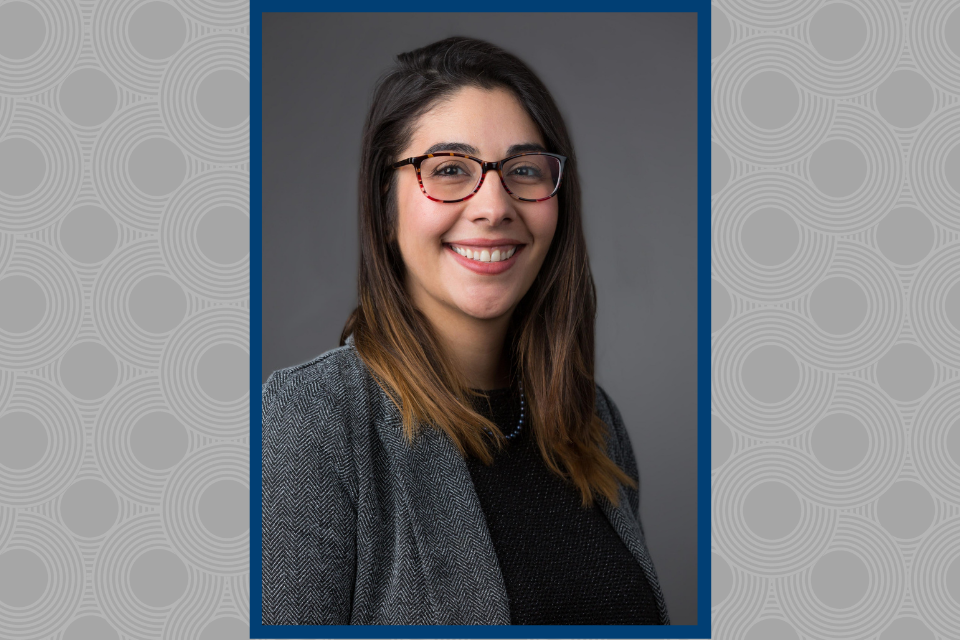
Katherine Ramos Receives Career Development Award
Assistant professor Katherine Ramos, PhD, was one of three Duke faculty members accepted recently to the Duke Clinical and Translational Science Award (CTSA) KL2 program.

When Psychiatric Conditions and Pregnancy Intersect
In this Q&A, Duke psychiatrist and specialist in perinatal psychiatry, Marla F. Wald, MD, discusses the importance of treating psychiatric conditions during pregnancy and in the critical postpartum period.

New Behavioral Health Center Opens this Spring
Duke Health’s one-of-a-kind behavioral health building will begin welcoming patients this spring.

Find Mental Health and Wellness Resources for the Duke Community
This Duke Today article contains an extensive list of Duke health and wellness resources for faculty, staff and students
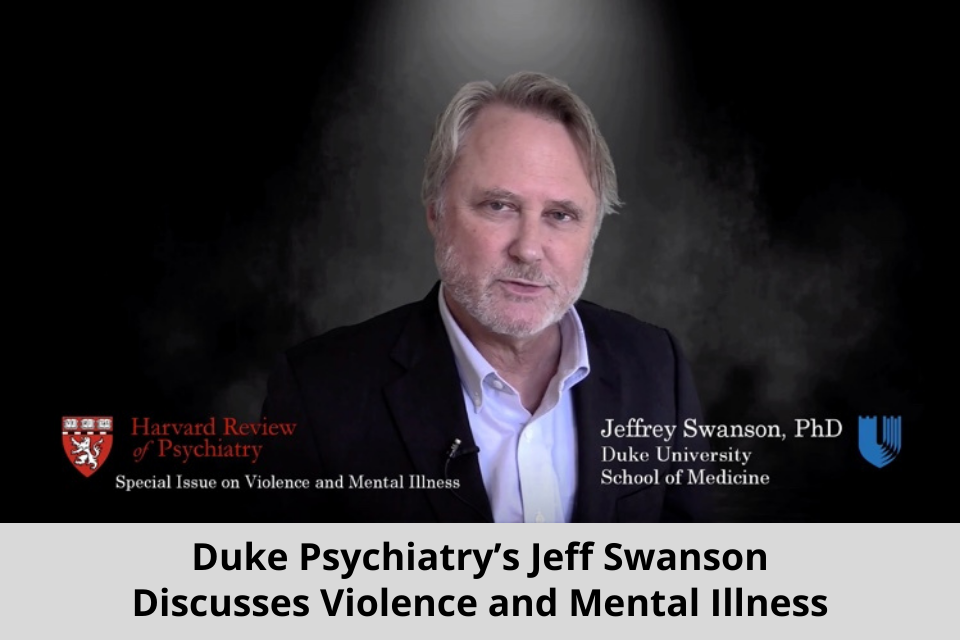
Jeffrey Swanson Edits Harvard Review of Psychiatry Special Issue
Current research and perspectives on associations between violence and mental illness are presented in the special January/February issue of Harvard Review of Psychiatry, guest-edited by Jeffrey Swanson, PhD, professor in Psychiatry & Behavioral Sciences.
Q&A with Kim Johnson, MD: Isolation, Comorbidities Play a Part in Psychiatric Issues
Psychiatrists who treat older adults for anxiety, depression, memory disorders, and psychiatric manifestations of neurological diseases often encounter complex and interconnected circumstances that contribute to the development and exacerbation of patients’ conditions.

$1M Gift Will Establish ADHD Center for Girls and Women
An anonymous family’s generosity will enable Duke University School of Medicine to establish one of the nation’s only programs dedicated specifically to helping girls and women with Attention Deficit Hyperactivity Disorder (ADHD).

Physician-Pharmacist Collaboration May Increase Adherence to Opioid Addiction Treatment
An NIH-supported pilot study led by Duke Psychiatry's Li-Tzy Wu, MA, DSC, found that a team-based approach may improve buprenorphine care.

Self-Controlled Children Tend to Be Healthier Middle-Aged Adults
Self-control, the ability to contain one’s own thoughts, feelings and behaviors, and to work toward goals with a plan, is one of the personality traits that makes a child ready for school. And, it turns out, ready for life as well.