
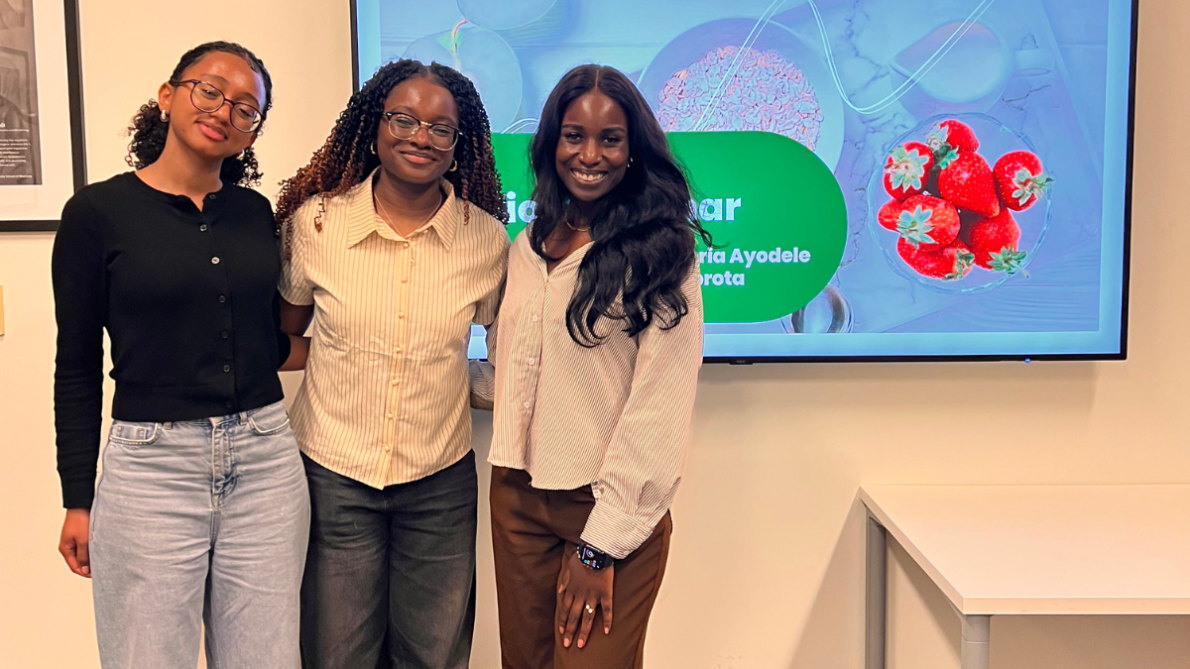
What does it mean to follow a physician's recommendations when healthy food is unaffordable, transportation is unreliable, or essential resources are out of reach?
This question sat at the center of a series of educational workshops aimed at helping undergraduate and professional students better understand the social determinants of health, with particular attention to barriers faced by patients experiencing homelessness. The workshops challenged participants to consider healthcare recommendations from a patient's perspective, rather than solely through a clinical lens.
Linda Kerandi, MD, a recent Duke Psychiatry residency graduate, led the project in collaboration with several Duke undergraduate students. The initiative was funded by the American Psychiatric Association through a grant awarded by the Substance Abuse and Mental Health Services Administration (SAMHSA).
The three-part series focused on exercise, nutrition, and medication management, encouraging participants to think beyond diagnoses and treatment plans to better understand the everyday realities that shape health outcomes.
Exploring Exercise from the Patient Perspective
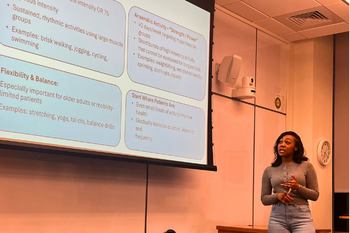
The series began with an exercise-focused workshop that examined barriers to physical activity across different patient populations. Through case-based discussion and interactive learning, participants explored how neighborhood safety, transportation access, chronic illness, disability, medication side effects, work schedules, and financial constraints can shape an individual's ability to engage in regular physical activity, even when they understand its benefits.
The workshop emphasized tailoring recommendations to patients' circumstances rather than relying on one-size-fits-all exercise advice. Participants also explored community-based strategies and resources that can help patients incorporate physical activity into their daily lives despite environmental or financial barriers.
Several attendees noted that the session helped them better understand how factors such as shelter policies, access to showers, transportation, and neighborhood environments can influence a patient's ability to engage in physical activity. Others reflected on the importance of avoiding assumptions and taking time to understand each patient's unique circumstances before making recommendations.
As the case-based activity progressed, participants quickly discovered that making healthy choices was not simply a matter of knowledge. It was often a matter of access.
Exploring Nutrition from the Patient Perspective

One of the most interactive sessions centered on nutrition and food security. Participants engaged in a simulation that required them to navigate the challenges many individuals and families face when attempting to access healthy food.
Each group assumed the role of a fictional individual with a unique set of circumstances. Some were single parents balancing childcare expenses. Others were older adults living on fixed incomes or individuals facing housing instability. Participants were tasked with meeting their nutritional needs while managing competing financial obligations, transportation barriers, and limited access to resources.
Throughout the exercise, participants visited different stations representing grocery stores, food pantries, and government assistance programs. They also encountered unexpected challenges through "Life Happens" cards that introduced realistic disruptions such as medical expenses, reduced work hours, transportation difficulties, or additional caregiving responsibilities.
The activity was intentionally designed to highlight social determinants of health: factors such as income, housing, food access, transportation, and community resources that significantly influence health outcomes. These realities are frequently encountered by patients but can be difficult to fully appreciate through classroom instruction alone.
Participant feedback highlighted the value of interdisciplinary learning and experiential activities. Several participants identified the food insecurity simulation as the most impactful component of the workshop, while others noted the value of learning alongside both undergraduate and medical trainees, creating opportunities to hear diverse perspectives on health and healthcare.
A third participant reflected that although they were already familiar with programs such as SNAP and Medicaid, the exercise served as "a good reminder to consider the impact of food security on patients and the importance of having abundant resources to ensure families don't go hungry."
Medication Management from the Patient Perspective
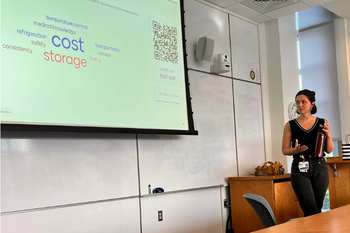
A third workshop explored medication management among patients facing housing instability and other social barriers to care.
Through case-based discussions, participants examined how challenges such as medication costs, lost identification cards, lack of refrigeration for temperature-sensitive medications, limited transportation, and unstable housing can complicate even the most straightforward treatment plans.
Participants worked through scenarios involving high-risk psychiatric medications, insurance and pharmacy access, and strategies for supporting patients experiencing homelessness. The facilitator encouraged participants to reconsider "non-adherence" not as a matter of personal choice, but as a reflection of structural barriers that often limit a patient's ability to follow treatment recommendations.
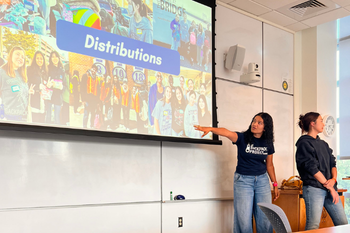
Feedback from participants emphasized the value of working through real-world patient cases and discussing practical solutions to medication access challenges. One attendee noted that the information was presented in an approachable manner that remained accessible to learners from mixed academic backgrounds, while another shared that the workshop inspired them to further explore housing and health policy as avenues to address healthcare inequities.
Participants also explored practical solutions and local community resources, including Lincoln Community Health Center, Gurley's Pharmacy, and the Backpack Project. The session emphasized the importance of patient-centered care, harm-reduction approaches, and connecting patients with community-based support that can improve long-term health outcomes.
Reflecting on the Series
Across the series, participants represented a range of backgrounds, including undergraduate and medical students interested in psychiatry, internal medicine, neuroscience, public policy, and psychology.
Logistics coordinator Rizban Worota, a senior studying biology and religion, supported workshop implementation by tracking attendance, evaluating participants, and reviewing content, helping the project team assess participant engagement and learning outcomes throughout the series.
For Kerandi and the project team, the goal extended beyond teaching facts about nutrition, exercise, or medications. Instead, the workshops sought to foster empathy, critical thinking, and a deeper appreciation for the complex circumstances that influence health decisions every day.
As the importance of social determinants of health is increasingly recognized in healthcare, the project demonstrates how interactive, patient-centered education can help prepare future clinicians to provide more informed, compassionate, and effective care.
Sometimes the most important lesson is not what treatment to recommend but understanding what obstacles a patient may face when trying to follow it.
“This was one of my most meaningful experiences in residency. The opportunity to engage with students eager to develop a deeper understanding on how social determinants of health impact our patients in real ways and what can be done was incredibly fulfilling. I was amazed at the level of engagement, thoughtful questions, and current work students are doing. I hope students left with the understanding that health recommendations are only one piece of the puzzle, and the most impactful care takes time to explore more about the patient’s situation and barriers to following recommendations.”
— Linda Kerandi, MD
AI Use Statement
Generative AI (ChatGPT) was used to assist with editing, organization, and refinement of the article’s structure and language. All workshop descriptions, attendance data, participant feedback, photographs, quotes, and project information were derived from project materials, workshop evaluations, team contributions, and event records. The author reviewed, revised, and verified all content prior to submission.